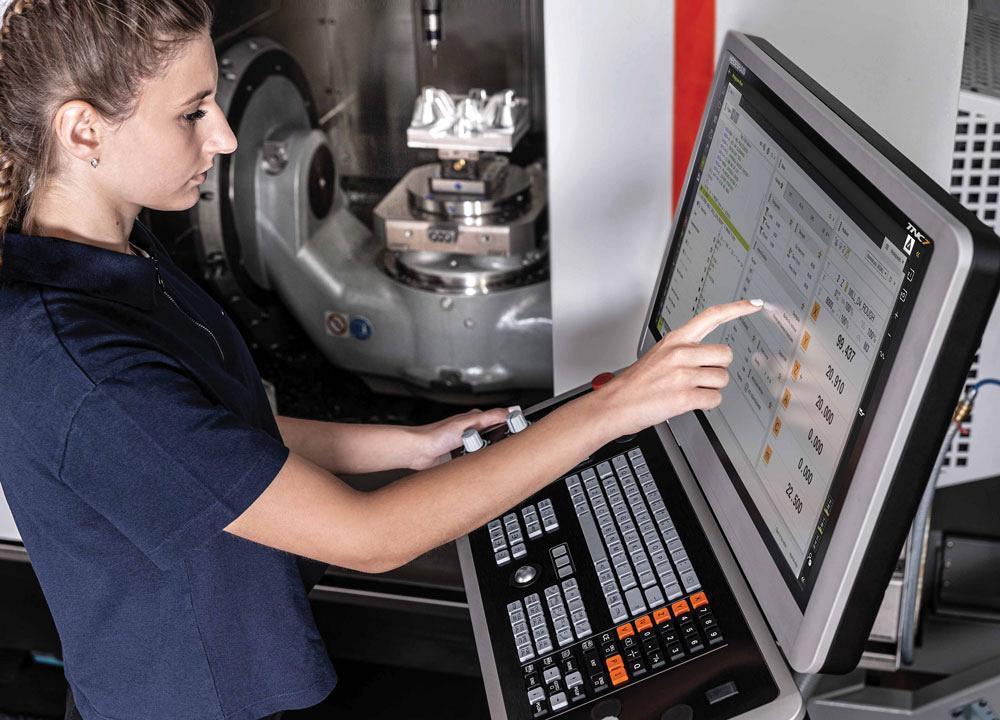
Modern manufacturing industries demand higher precision, faster production, and the ability to create complex components with exceptional accuracy. Among the advanced technologies transforming industrial production, 5 axis cnc machining has become one of the most valuable solutions for manufacturers requiring intricate designs and superior surface finishes. This advanced machining process allows cutting tools to move along five different axes simultaneously, enabling manufacturers to produce complex parts that would be difficult or impossible to create with traditional machining methods.
From aerospace engineering to automotive innovation and medical device manufacturing, 5 axis cnc machining applications continue to expand because of their ability to improve efficiency, reduce production time, and enhance product quality. Industries that require lightweight structures, precise dimensions, and complex geometries rely heavily on this technology to meet strict performance standards.
Understanding 5 Axis CNC Machining Technology
Traditional CNC machines usually operate on three axes, allowing movement along the X, Y, and Z directions. However, 5 axis cnc machining introduces two additional rotational axes, providing greater flexibility and control over the cutting process. This capability allows the machine tool to approach a workpiece from multiple angles without repositioning it manually.
The main advantage of this technology is its ability to manufacture highly complex components in a single setup. By reducing the need for multiple fixtures and adjustments, manufacturers can achieve better accuracy while minimizing production errors. This makes 5 axis cnc machining ideal for industries where precision and reliability are critical.
The technology also improves machining efficiency because the cutting tool maintains an optimal angle throughout the process. This results in smoother surfaces, reduced tool wear, and faster production cycles. As industries continue to demand advanced components with complicated designs, the importance of this machining method continues to grow.
Aerospace Industry Applications of 5 Axis CNC Machining
The aerospace industry is one of the largest users of advanced machining technologies because aircraft components must meet extremely strict safety and performance requirements. Aerospace manufacturers often work with difficult materials such as titanium, aluminum alloys, and composite materials, which require precise machining techniques.
5 axis cnc machining plays a crucial role in producing aircraft parts such as turbine blades, engine components, structural frames, landing gear parts, and aerodynamic surfaces. These components often contain complex curves and detailed features that cannot be easily produced using conventional machining methods.
One major benefit of using this technology in aerospace manufacturing is weight reduction. Aircraft designers constantly search for ways to reduce overall aircraft weight while maintaining strength and durability. 5 axis machining allows manufacturers to create lightweight structures with optimized designs, improving fuel efficiency and performance.
Additionally, aerospace companies benefit from improved accuracy and repeatability. Even small dimensional errors can affect aircraft performance, so manufacturers require machining processes capable of maintaining extremely tight tolerances. The ability of 5 axis cnc machining to produce precise components consistently makes it an essential solution for aerospace production.
Automotive Industry Uses and Benefits
The automotive industry has also adopted advanced machining technologies to support innovation in vehicle design and manufacturing. With the growth of electric vehicles, high-performance engines, and smart automotive systems, manufacturers require more complex and accurate components.
5 axis cnc machining applications in automotive manufacturing include the production of engine parts, transmission components, suspension systems, molds, prototypes, and customized performance parts. Automotive engineers often use this technology to develop prototypes quickly and test new designs before mass production.
One of the biggest advantages of 5 axis machining in automotive production is faster product development. Manufacturers can create detailed prototypes with complex geometries in shorter periods compared to traditional machining processes. This allows engineers to evaluate designs, make improvements, and bring new vehicles to market faster.
The technology also supports the production of high-quality molds used for plastic injection and metal forming processes. Automotive manufacturers depend on precise molds to produce consistent parts with excellent surface quality. By using 5 axis cnc machining, companies can achieve better mold accuracy and extend the lifespan of manufacturing tools.
Furthermore, customization has become increasingly important in the automotive sector. Whether producing luxury vehicle components or specialized racing parts, manufacturers can rely on advanced machining capabilities to create unique designs with exceptional precision.
Medical Industry Applications of 5 Axis CNC Machining
The medical industry requires manufacturing solutions that deliver extreme precision because medical devices and implants directly impact patient health and safety. Components used in healthcare often require complex shapes, biocompatible materials, and highly accurate dimensions.
5 axis cnc machining is widely used for producing medical implants, surgical instruments, prosthetic components, dental parts, and diagnostic equipment components. Materials such as titanium and stainless steel are commonly used in medical applications, and advanced machining technology helps manufacturers shape these challenging materials effectively.
For orthopedic implants, precision is especially important because implants must fit perfectly within the human body. 5 axis machining allows manufacturers to create customized implants based on specific patient requirements, improving comfort and functionality.
Medical device manufacturers also benefit from reduced production time and improved consistency. Since many medical components require detailed features and smooth surfaces, the ability to complete complex machining operations in fewer setups helps maintain quality while increasing efficiency.
Another important advantage is the ability to support small-batch production. Medical companies often need specialized devices or customized solutions rather than large-volume manufacturing. 5 axis cnc machining provides the flexibility required for producing advanced medical products without sacrificing accuracy.
Advantages of 5 Axis CNC Machining Across Industries
The growing popularity of 5 axis cnc machining comes from several important advantages that benefit different industrial sectors. One of the primary benefits is improved accuracy. Because parts can be completed in fewer setups, there is less risk of alignment errors and dimensional inconsistencies.
Another advantage is enhanced productivity. Manufacturers can complete complex machining operations faster because the machine can access multiple surfaces without manual repositioning. This reduces labor requirements and improves overall workflow efficiency.
Better surface finishes are also a significant benefit. The ability to maintain an ideal cutting angle helps create smoother surfaces, reducing the need for additional finishing processes. This is especially valuable for aerospace and medical components where surface quality is essential.
The technology also supports innovation by allowing engineers to design more complex and efficient products. Without advanced machining capabilities, many modern aerospace, automotive, and medical designs would be difficult to manufacture.
Future Growth of 5 Axis CNC Machining Applications
As manufacturing industries continue to evolve, the demand for advanced machining solutions will increase. Automation, artificial intelligence, and smart manufacturing technologies are expected to further improve the capabilities of 5 axis systems.
Future developments will focus on increasing machine efficiency, improving automation, and integrating real-time monitoring systems. These advancements will help manufacturers achieve higher productivity while maintaining strict quality standards.
Industries such as aerospace, automotive, and medical manufacturing will continue to rely on this technology because it provides the precision and flexibility needed for next-generation products. As designs become more complex and performance requirements become stricter, 5 axis cnc machining will remain a key technology shaping the future of manufacturing.
Conclusion
5 axis cnc machining has transformed modern manufacturing by enabling industries to create complex, accurate, and high-performance components. Its applications across aerospace, automotive, and medical sectors demonstrate how advanced machining technology improves product quality, production efficiency, and design possibilities.
From lightweight aircraft structures and innovative automotive components to life-changing medical devices, this technology provides manufacturers with the capabilities needed to meet modern engineering challenges. As industries continue to pursue greater precision and innovation, 5 axis cnc machining will remain an essential part of advanced manufacturing solutions.