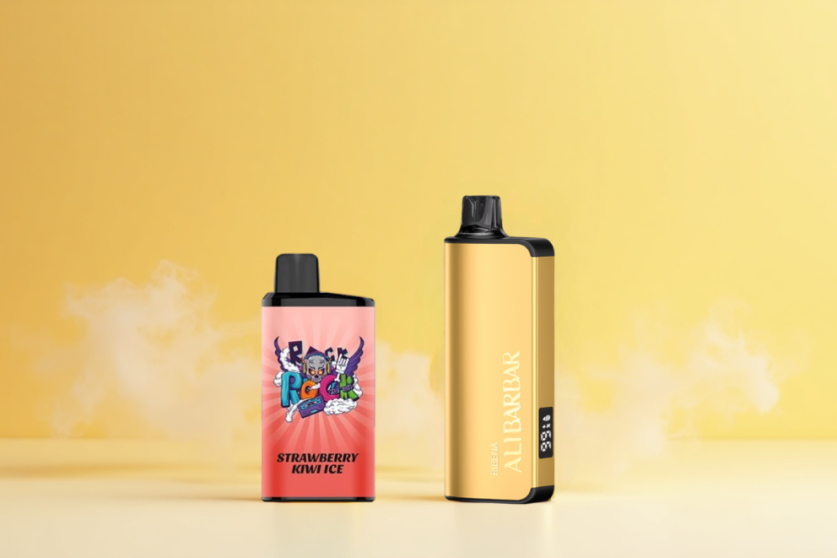
The vaping industry has experienced significant changes over the years, with manufacturers continuously developing devices that offer greater convenience, portability, and user-friendly features. Among the products associated with the high-capacity disposable vape category, the alibarbar 9000 has attracted attention as an example of how vape devices have evolved toward longer-lasting formats. The rise of high-capacity products reflects broader changes in consumer expectations, technology, and product design.
Understanding the Rise of High-Capacity Vape Devices
Early vaping devices were generally designed around simplicity and compact size. Many products had relatively limited battery capacity and e-liquid volume, meaning users often needed to replace or refill their devices frequently. As vaping technology developed, manufacturers began exploring ways to increase longevity while maintaining convenient designs.
The development of high-capacity disposable devices represented an important shift. Instead of focusing only on small, lightweight products, manufacturers started creating devices intended to provide extended use. The alibarbar 9000 fits into this broader evolution, representing the industry’s movement toward products designed around higher stated puff capacities and longer usage periods.
This trend has been driven by demand for convenience. Consumers often look for products that are easy to carry and require minimal maintenance. High-capacity designs attempt to address these preferences by combining a larger e-liquid reservoir and battery system within a single device.
How Vape Technology Has Evolved
The evolution of vape devices has involved improvements in several areas, including battery technology, airflow systems, coil construction, and flavor delivery. Earlier disposable products were relatively basic, but newer generations often incorporate more advanced internal components.
One major development has been the increased efficiency of heating elements. Modern coil systems are designed to vaporize e-liquid consistently, helping manufacturers create products that can deliver a more uniform experience throughout their intended lifespan. Improvements in battery design have also allowed devices to operate for longer periods without requiring frequent charging.
High-capacity products such as the alibarbar 9000 demonstrate how these developments have influenced product design. Rather than treating disposability as synonymous with very short-term use, manufacturers have increasingly focused on extending the functional life of individual devices.
At the same time, the evolution of vaping technology has created greater variety. Consumers may encounter different device sizes, shapes, flavor profiles, airflow options, and activation systems. This variety reflects an increasingly competitive market in which manufacturers attempt to differentiate their products through design and functionality.
The Significance of Puff Capacity
Puff capacity is one of the most recognizable features associated with modern disposable vapes. It provides consumers with an approximate indication of how long a device may last under specific usage conditions. However, the actual number of puffs a person receives can vary significantly.
Factors such as puff duration, frequency of use, airflow, battery performance, and individual inhalation habits can all influence the practical lifespan of a device. Consequently, a stated capacity should generally be viewed as an estimate rather than a guaranteed number of identical experiences.
The popularity of high-capacity products illustrates a broader consumer preference for convenience. Users who dislike replacing devices frequently may find the concept of a longer-lasting format appealing. However, it is also important to consider that larger capacity does not necessarily mean a product is appropriate for every user or situation.
Design and Portability
One of the challenges facing manufacturers of high-capacity vape devices is balancing longevity with portability. Increasing the amount of e-liquid and battery capacity can potentially make a product larger or heavier. Successful product design therefore requires careful consideration of ergonomics.
Modern devices often use compact internal layouts to make efficient use of available space. The goal is to provide a relatively portable product while accommodating the components necessary for extended operation.
The alibarbar 9000 represents this design philosophy within the high-capacity disposable segment. Its positioning reflects an industry trend in which manufacturers seek to deliver longer-lasting devices without abandoning the convenience associated with disposable formats.
A well-designed vape device should also be comfortable to hold and easy to operate. Features such as streamlined shapes, simple activation mechanisms, and clear visual styling have become important aspects of the overall product experience.
Flavor Variety and Consumer Preferences
Flavor has historically played an important role in the development of vaping products. As the industry expanded, manufacturers introduced a broad range of flavor categories, including fruit-inspired, mint, menthol, beverage, and blended profiles.
High-capacity devices have continued this trend by offering consumers a variety of flavor options. This allows manufacturers to appeal to different preferences while creating product lines that stand out in a competitive marketplace.
However, flavor preferences are highly subjective. A flavor that one person enjoys may not appeal to another. The perception of flavor can also change over time, depending on the device’s performance, airflow, and individual expectations.
The Role of Convenience
Convenience is one of the primary reasons high-capacity disposable devices have gained attention. Traditional vaping systems may require users to purchase e-liquid, replace coils, charge batteries, or clean components. Disposable formats are designed to reduce many of these maintenance requirements.
Products such as the alibarbar 9000 are part of a market that emphasizes simplicity. Users generally expect a straightforward experience without the need to assemble multiple components. This approach can make disposable devices attractive to adults who prioritize ease of use.
Nevertheless, convenience should be considered alongside responsible use and environmental concerns. Disposable devices contain batteries, electronic components, and other materials that require appropriate disposal. The growing popularity of high-capacity disposables has therefore contributed to wider discussions about waste management and sustainability.
Environmental Considerations
The environmental impact of disposable vaping products has become an increasingly important topic. Unlike reusable vape systems, disposable devices are designed to be discarded after their usable life. This creates challenges related to battery recycling, electronic waste, and material recovery.
As the market continues to evolve, manufacturers and regulators may place greater emphasis on responsible disposal and recycling solutions. Consumers can also contribute by following local guidelines for electronic waste and battery disposal rather than placing used devices in ordinary household trash.
Future innovation may focus on reducing material waste, improving recyclability, and developing more sustainable manufacturing processes. These changes could influence how high-capacity products are designed and marketed in the years ahead.
Regulation and Responsible Consumer Awareness
Vaping products are subject to different regulations depending on the country and region. Rules may cover product standards, marketing, packaging, nicotine content, age restrictions, and retail availability. Consumers should always understand and follow the laws that apply in their location.
Responsible awareness is especially important when considering high-capacity products. Nicotine is addictive, and vaping products are not risk-free. Adults who use nicotine products should be aware of potential health risks and make informed decisions. People who do not use nicotine should not begin vaping.
The future development of products such as the alibarbar 9000 will likely be influenced not only by technology but also by regulatory requirements and changing public expectations.
Looking Ahead at High-Capacity Vape Innovation
The evolution of high-capacity vape devices demonstrates how quickly product design can change in response to consumer preferences. From basic disposable formats to more advanced devices with extended capacities, the industry has continually explored ways to combine convenience and performance.
Future developments may include improved battery efficiency, more precise airflow control, enhanced leak resistance, and more sustainable materials. Manufacturers may also explore smarter technologies that provide users with greater information about battery status and device performance.
The alibarbar 9000 represents one stage in this broader evolution of high-capacity vaping products. Its place in the market reflects the industry’s focus on extended use, portability, and simplified operation. As technology and regulations continue to develop, the future of high-capacity vape devices will depend on balancing innovation with safety, responsible consumption, environmental considerations, and compliance with applicable laws.
Overall, the evolution of high-capacity vape devices highlights a wider shift in consumer product design. Convenience and longevity have become increasingly important, while questions surrounding sustainability and regulation are becoming equally significant. As the vaping market continues to change, high-capacity formats will remain part of an ongoing conversation about technology, consumer expectations, responsible use, and the future direction of the industry.