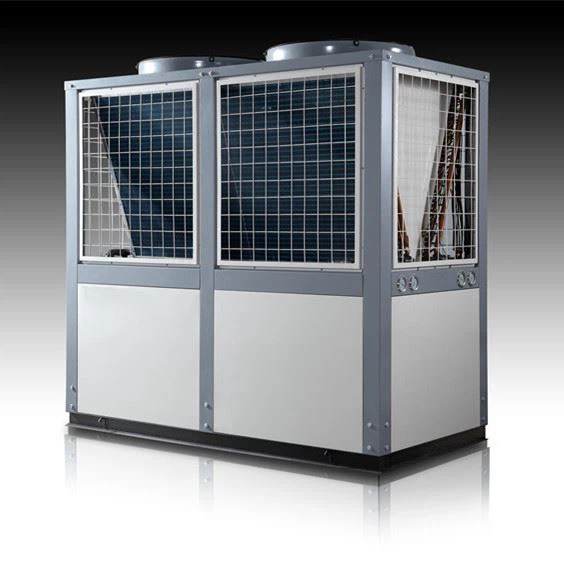
Heat pumps have become an increasingly popular solution for efficient heating and cooling in homes, offices, retail spaces, and industrial facilities. As energy costs rise and property owners become more conscious of environmental impact, the demand for reliable heat pump systems continues to grow. However, choosing the right equipment is only part of the process. Finding trustworthy heat pumps suppliers is equally important because the supplier you select can influence product quality, installation support, system performance, and long-term maintenance.
Whether you are upgrading an existing heating system or planning a new commercial project, working with a dependable supplier can make the entire process smoother. A professional supplier should provide suitable products, accurate technical information, dependable customer service, and access to replacement parts when required. Understanding what to look for can help residential and commercial buyers make better decisions.
Understanding the Role of Heat Pump Suppliers
A heat pump supplier does more than simply sell heating and cooling equipment. The best suppliers act as knowledgeable partners throughout the purchasing process. They can help customers understand the differences between air-source, ground-source, and other heat pump technologies while recommending systems that match specific property requirements.
For residential customers, this may involve selecting a compact air-source heat pump for a family home or a system capable of providing both heating and cooling. Commercial customers, on the other hand, may require larger systems designed to serve offices, warehouses, hotels, schools, or other large buildings.
Experienced heat pumps suppliers should be able to discuss capacity, energy efficiency, operating conditions, installation requirements, and compatibility with existing systems. This level of guidance is particularly valuable for buyers who may not have technical knowledge of HVAC equipment.
Assessing Product Quality and Reliability
One of the first factors to consider when evaluating suppliers is the quality of the products they offer. A heat pump is a long-term investment, so buyers should look for equipment manufactured according to recognized quality and safety standards.
Reliable suppliers generally work with established manufacturers and offer systems that have been tested for performance and durability. Buyers should review important specifications such as heating capacity, cooling output, efficiency ratings, operating temperature range, noise levels, and warranty coverage.
For residential applications, efficiency and quiet operation are often major priorities. Homeowners want a system that maintains comfortable indoor temperatures without creating excessive noise or significantly increasing energy bills. Commercial buyers may focus more heavily on capacity, scalability, reliability, and the ability to integrate with building management systems.
A trustworthy supplier should clearly explain these specifications instead of making vague claims about performance. Transparent information allows customers to compare systems and select equipment based on actual needs.
Checking Supplier Experience and Industry Knowledge
Experience is another important consideration when choosing among heat pumps suppliers. A supplier with years of industry knowledge is more likely to understand the challenges associated with different property types and climate conditions.
Ask potential suppliers about their experience with projects similar to yours. A residential customer may benefit from a supplier familiar with single-family homes, apartments, and renovations. Commercial customers should look for companies experienced in larger installations and complex heating and cooling requirements.
Technical knowledge is especially important because incorrect system selection can lead to poor performance and unnecessary energy consumption. An experienced supplier can help determine the appropriate system size and identify potential installation challenges before equipment is purchased.
Comparing Product Selection
A supplier’s product range can also reveal how well they can meet different customer requirements. A company offering multiple heat pump technologies and capacities may provide greater flexibility than one focused on a limited range of products.
Residential buyers may need options suitable for small, medium, or large homes. Commercial projects can have significantly different requirements depending on building size, occupancy, insulation, and operating schedules.
When comparing heat pumps suppliers, consider whether they offer products suitable for your specific application. A good supplier should be able to provide options rather than pushing every customer toward the same model.
It is also helpful to ask about accessories and related equipment. Depending on the project, customers may need controllers, thermostats, storage tanks, mounting systems, filters, or other components. Access to compatible equipment from one reliable source can simplify project planning.
Evaluating Installation and Technical Support
Even the highest-quality heat pump can perform poorly if it is installed incorrectly. For this reason, buyers should investigate whether suppliers provide installation services or work with qualified installation professionals.
A reputable supplier should understand the importance of proper sizing, positioning, electrical requirements, refrigerant systems, airflow, and commissioning. Commercial installations may require more complex planning, particularly when multiple units or centralized controls are involved.
After installation, ongoing technical support is equally important. Customers should ask whether the supplier provides troubleshooting assistance, maintenance recommendations, and access to replacement components. Strong after-sales support can reduce downtime and extend the operational life of the equipment.
Reviewing Warranties and After-Sales Services
Warranty terms should always be reviewed before purchasing a heat pump. A reputable supplier should explain exactly what the warranty covers, how long it lasts, and what conditions apply.
Some warranties cover equipment components for a specific period, while others may provide different coverage for compressors, electronics, or other parts. Customers should also understand whether professional installation is required to maintain warranty validity.
Beyond warranty coverage, consider the supplier’s approach to after-sales service. Reliable heat pumps suppliers should be accessible when customers need assistance. A company that disappears after completing a sale may create significant problems if technical issues arise later.
Considering Energy Efficiency and Long-Term Costs
The purchase price of a heat pump is only one part of the total cost. Energy consumption, maintenance, repairs, and expected operating life should also be considered.
A highly efficient heat pump may have a higher initial cost but could deliver lower energy expenses over time. Suppliers should be able to explain efficiency ratings and help customers understand how different systems may perform under expected operating conditions.
For commercial properties, energy efficiency can have an especially significant financial impact. Large buildings often require substantial heating and cooling throughout the year, meaning even small efficiency differences can influence operating expenses.
A good supplier should help customers evaluate the balance between upfront investment and long-term value rather than focusing exclusively on the cheapest available option.
Reading Reviews and Checking References
Customer feedback can provide valuable insight into a supplier’s reliability. Before making a decision, buyers can research independent reviews and look for comments about product quality, communication, delivery, installation, and customer service.
Commercial customers may also ask suppliers for references from previous projects. Speaking with past clients can provide a clearer understanding of how the supplier handles complex installations and long-term support.
However, reviews should be evaluated carefully. A small number of negative comments does not necessarily indicate poor service, while an abundance of overly positive reviews may not always provide a complete picture. Look for consistent patterns across multiple sources.
Comparing Quotes Carefully
Obtaining several quotes is a practical way to compare heat pumps suppliers. However, buyers should avoid selecting a supplier based solely on the lowest price.
Quotes should be compared based on the complete package, including equipment specifications, installation costs, warranty coverage, delivery, commissioning, maintenance options, and technical support. A cheaper quote may exclude important services that another supplier includes as standard.
Ask suppliers to provide clear, itemized quotations. This makes it easier to identify differences and avoid unexpected costs later.
Building a Long-Term Supplier Relationship
For both homeowners and commercial property managers, a heat pump is a long-term investment. Therefore, the relationship with a supplier may continue for many years after the initial purchase.
The best heat pumps suppliers provide dependable products while also offering guidance, maintenance support, technical assistance, and replacement parts when necessary. A supplier that understands your property and equipment can become a valuable long-term partner.
Ultimately, finding the right supplier requires more than comparing product prices. Buyers should evaluate experience, product quality, technical expertise, energy efficiency, warranty protection, installation support, and customer service. By carefully researching available options and asking the right questions, residential and commercial customers can choose a supplier capable of supporting their heating and cooling needs for years to come.
With careful planning and informed decision-making, investing in a reliable heat pump system can contribute to improved comfort, greater energy efficiency, and dependable performance across a wide range of residential and commercial applications.