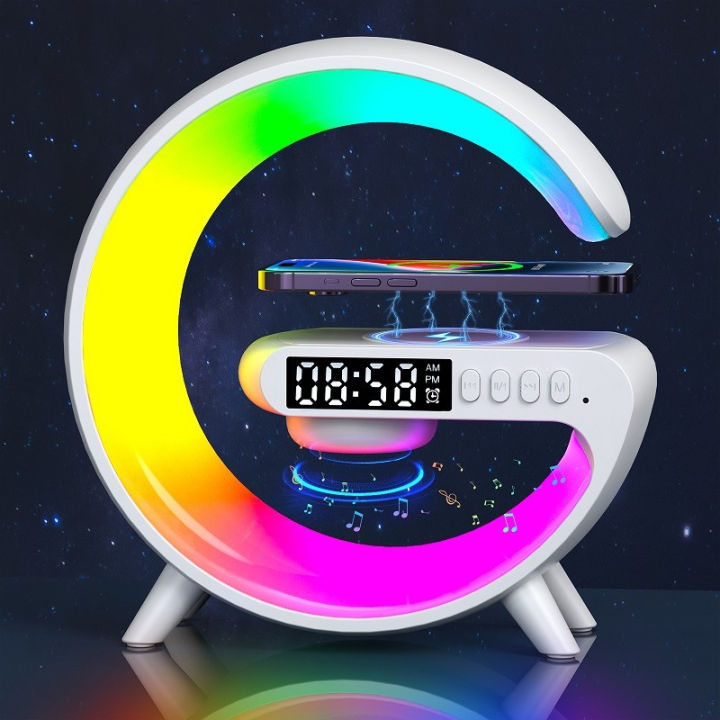
Modern routines often begin and end in the bedroom. The first few minutes after waking can influence how smoothly the day starts, while the final moments before sleep can shape how comfortably the mind and body transition into rest. A simple bedside device can make both periods more organized, pleasant, and convenient. A bedside speaker is one such addition, combining useful audio functions with an accessible design that fits naturally beside the bed.
Rather than treating a speaker as something used only for music, people can incorporate it into everyday habits. From gentle morning alarms and news updates to calming evening playlists and reminders, the right device can become a practical part of a daily routine.
Making Mornings More Organized
Morning routines can sometimes feel rushed. An alarm goes off, notifications appear, and there may be little time to mentally prepare for the day. A bedside speaker can create a more controlled start by providing audio cues without requiring constant interaction with a smartphone.
Instead of reaching immediately for a phone, users can wake up to an alarm, a favorite song, ambient sounds, or another pleasant audio setting. This can make the transition from sleep to wakefulness feel less abrupt. Some people may prefer energetic music, while others may find soft instrumental sounds more comfortable.
The location of the speaker is also important. Positioned within easy reach, it can provide clear sound without occupying much space. This makes it particularly useful for compact bedrooms, apartments, dorm rooms, and minimalist spaces.
Supporting a Consistent Wake-Up Routine
Consistency is an important part of building habits. A reliable audio routine can help establish recognizable signals for getting out of bed. For example, a user might choose one sound for weekdays and another for weekends.
A bedside speaker can also support different stages of the morning. A gentle alarm can encourage waking, followed by music or a podcast while getting dressed. If the speaker connects to other smart functions, users may also be able to access selected information without immediately picking up their phone.
The goal is not to make mornings complicated. Instead, the speaker should reduce unnecessary steps and make frequently repeated tasks easier.
Reducing Smartphone Dependence
One of the biggest advantages of keeping useful audio functions beside the bed is the possibility of reducing early-morning phone use. Smartphones can be helpful, but opening one notification can quickly lead to checking messages, social media, emails, or other distractions.
A bedside speaker offers an alternative for many basic audio needs. Users can listen to music, podcasts, ambient sounds, or other content while leaving the phone aside.
This separation can be especially valuable for people who want to establish calmer morning habits. Rather than starting the day with a screen, they can begin with sound and gradually move into their regular activities.
Creating a More Comfortable Evening Routine
Evenings require a different atmosphere. After a busy day, many people want to slow down rather than remain surrounded by notifications and stimulating content. A bedside speaker can help establish a transition between active daytime activities and nighttime relaxation.
Soft music, nature sounds, audiobooks, or quiet spoken content can provide background audio while someone reads, stretches, journals, or prepares for bed. Because the speaker remains in a fixed location, it can become part of the environment rather than another device that needs to be carried around.
Using Audio as a Relaxation Cue
Repeated routines can become powerful behavioral cues. If someone regularly listens to the same type of calming audio before bed, the sound itself may become associated with winding down.
For example, a nighttime routine might include dimming the lights, putting away electronic devices, playing quiet ambient audio, and reading for a few minutes. The bedside speaker becomes part of that sequence.
Volume control is particularly important. The ideal nighttime setting should remain comfortable and unobtrusive. A speaker that provides clear audio at low volume can be more suitable for a bedroom than one designed primarily for loud entertainment.
Helpful Features to Consider
Not every speaker is equally suited to bedroom use. When choosing a bedside speaker, users should focus on features that support convenience rather than simply selecting the device with the highest audio output.
Compact dimensions can be useful when bedside tables have limited space. Clear sound matters for alarms, spoken content, and relaxing music. Simple controls are also valuable because users may want to adjust volume or playback without navigating complicated menus.
Connectivity is another consideration. Bluetooth support can make it easy to play audio from a phone, tablet, or computer. Some models may provide additional wireless features that make everyday operation even more convenient.
A display can also be helpful when integrated appropriately. Showing the time, weather, notifications, or other information can turn a speaker into a multifunctional bedside companion.
Supporting Morning Productivity
Once the day begins, a speaker can continue to provide value. People may listen to a news briefing while preparing breakfast, play a productivity-focused playlist while organizing their workspace, or use audio reminders to stay aware of scheduled activities.
The advantage is that these tasks can happen in the background. Users do not necessarily need to stop what they are doing to look at a screen.
For individuals who work from home, a speaker can also provide a smooth transition between bedroom and workspace. A morning playlist can signal the start of work, while a different audio environment can mark the end of the working day.
Making Bedtime More Predictable
A predictable bedtime routine can be easier to maintain when it includes simple, repeatable actions. A bedside speaker can support that structure through scheduled audio, timers, or manually selected content.
For example, someone might play relaxing music for thirty minutes before bedtime and then allow it to stop automatically. Another person may prefer a short audiobook or a quiet soundscape.
These functions can make the routine feel intentional without requiring additional effort. The speaker becomes a background tool that supports the transition instead of demanding attention.
Choosing the Right Sound Environment
The best audio environment depends on individual preferences. Some users enjoy instrumental music, while others prefer rainfall, ocean sounds, white noise, or spoken content. The important factor is creating an environment that feels comfortable.
A speaker should therefore provide enough control over volume and playback to suit different situations. Flexible audio options allow the same device to support energetic mornings and peaceful evenings.
Keeping the Bedroom Clutter-Free
Bedroom technology can quickly become inconvenient if every device requires a separate charger, cable, or control system. A compact bedside speaker can help consolidate some functions into one device.
Instead of keeping a phone, alarm clock, separate audio player, and other accessories on the nightstand, users may be able to combine several everyday functions. This can contribute to a cleaner and more organized sleeping environment.
A tidy bedside area may also make the routine itself easier. When everything has a designated place, there is less time spent searching for devices or managing cables.
Building Personalized Daily Habits
One of the most useful qualities of a bedside speaker is flexibility. There is no single correct way to use it. A student may use one for alarms and study-related audio. A professional may use it for morning briefings and evening relaxation. Someone who enjoys music may simply use it to create different sound environments throughout the day.
The device can therefore adapt to personal schedules. Morning and evening routines can be programmed around individual preferences rather than forcing everyone into the same pattern.
A Small Device With Everyday Value
A bedside speaker may appear to be a simple piece of technology, but its usefulness comes from how naturally it can fit into repeated daily activities. It can provide a gentler wake-up experience, reduce the temptation to check a phone immediately, support productivity, and create a relaxing nighttime atmosphere.
The best approach is to keep the routine simple. Choose useful audio, set comfortable volume levels, and use the speaker as a supportive tool rather than another source of digital distraction. When integrated thoughtfully, it can help turn ordinary mornings and evenings into more organized and enjoyable parts of the day.
Ultimately, the value of a bedside speaker is not just its sound quality. Its real benefit comes from making small daily actions easier. By providing accessible audio, convenient controls, and a consistent presence beside the bed, it can become a practical part of a balanced morning and evening routine.