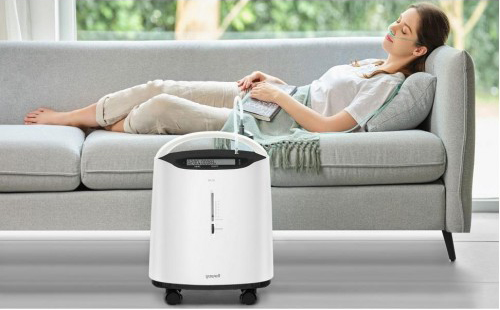
A 家用氧氣機 (home oxygen concentrator) is an essential medical device that provides oxygen therapy to individuals with respiratory issues or chronic lung diseases. To ensure its consistent performance and long lifespan, regular maintenance and proper cleaning are crucial. Many users overlook this aspect, but maintaining a clean and efficient 家用氧氣機 can make a significant difference in both oxygen purity and safety. This complete guide will help you understand how to maintain and clean your 家用氧氣機 effectively to keep it running smoothly for years.
Understanding the Importance of Maintenance
Your 家用氧氣機 continuously filters air from the environment, removes nitrogen, and delivers concentrated oxygen to the user. Because of this constant filtration process, dust, bacteria, and moisture can accumulate inside or around the device. Regular cleaning and maintenance not only prevent technical malfunctions but also protect your health by ensuring the oxygen you breathe is pure and safe. Neglecting maintenance can lead to decreased oxygen output, unusual noise, or even complete breakdown of the concentrator.
Daily Care for Your 家用氧氣機
The daily maintenance of a 家用氧氣機 is simple but essential. Start by wiping down the exterior of the machine with a soft, damp cloth. This helps remove dust and prevents dirt from entering the air intake. Always unplug the device before cleaning to avoid electric shocks or damage. Avoid using chemical cleaners or abrasive materials that can harm the surface. Inspect the power cord and plug regularly for any signs of wear or damage. Make sure the machine is placed in a clean, well-ventilated area, away from direct sunlight, heat sources, or walls that might block airflow. Keeping the area around your 家用氧氣機 clean ensures better air intake and improves performance.
Weekly Cleaning Routine
Once a week, you should clean specific components of your 家用氧氣機 to maintain optimal hygiene. Focus on the humidifier bottle (if your model uses one) and the air intake filter. The humidifier bottle helps moisten the oxygen you inhale, preventing dryness in your throat or nose. However, it can easily become a breeding ground for bacteria if not cleaned properly. Empty the water from the humidifier bottle daily and clean it weekly using mild dish soap and warm water. Rinse thoroughly and let it air dry before refilling with distilled water. Never use tap water as it may contain minerals that can accumulate inside the device.
The air intake filter should be cleaned weekly to ensure proper air circulation. Remove the filter according to your manufacturer’s instructions, wash it with mild soap and water, rinse well, and allow it to dry completely before reinstalling. A wet filter can restrict airflow or damage the internal components.
Monthly Maintenance Checks
In addition to daily and weekly routines, you should perform a more detailed inspection of your 家用氧氣機 once a month. Check all tubing, connectors, and nasal cannulas for cracks or discoloration. Replace any worn or discolored parts to ensure proper oxygen flow. Clean the oxygen outlet with a soft cloth and avoid inserting any sharp objects that could damage it. Inspect the humidifier bottle cap and seals to confirm they are still airtight. Leaks can reduce oxygen efficiency and lead to inaccurate flow readings.
If your concentrator has an additional HEPA or bacteria filter, follow the manufacturer’s guidelines for cleaning or replacement. Some filters are not washable and need to be replaced every few months to maintain oxygen purity. Always keep track of replacement dates to avoid any drop in performance.
Deep Cleaning and Professional Servicing
While regular cleaning can be done at home, a deep professional service should be performed at least once every six months or as recommended by the manufacturer. A certified technician will open the unit, inspect the internal filters, compressor, and sensors, and ensure that oxygen output meets medical standards. They will also calibrate and test the purity level using specialized equipment. This professional checkup helps identify early signs of malfunction and prevents costly repairs in the future.
You should also pay attention to any changes in noise level or oxygen flow rate. If your 家用氧氣機 becomes unusually loud, emits warm air, or fails to deliver consistent oxygen, it may need immediate servicing. Never attempt to open or repair the device yourself, as this can void the warranty and lead to safety risks.
Proper Storage and Handling
How you store your 家用氧氣機 also impacts its longevity. Always place it on a stable, flat surface to prevent vibrations or tipping over. Avoid placing it on carpets or near curtains that can block the air vents. If you need to move the device, hold it by its handle and avoid dragging it by the tubing or power cord. When not in use for extended periods, store your 家用氧氣機 in a cool, dry place and cover it to prevent dust buildup. Before restarting after long storage, inspect all parts and run it for a few minutes to ensure it operates correctly.
Cleaning the Tubing and Cannula
The oxygen tubing and nasal cannula are direct contact points between the user and the device, making them highly prone to contamination. These components should be cleaned or replaced regularly to maintain hygiene. Wash the tubing and cannula once a week with warm water and mild soap, then rinse thoroughly and let them air dry completely. Replace the nasal cannula every two to four weeks, or sooner if it becomes stiff or discolored. The oxygen tubing should be replaced every two to three months, depending on usage. Avoid exposing tubing to direct sunlight or high heat as this can cause cracking or brittleness.
Using the Right Cleaning Materials
When cleaning your 家用氧氣機, it’s important to use the right materials to prevent damage. Always use soft, lint-free cloths for wiping surfaces. For disinfecting, use mild soap, diluted vinegar, or medical-grade disinfectants that are safe for medical equipment. Avoid alcohol-based cleaners on plastic parts as they may cause cracks or discoloration. Never immerse the device or electrical components in water. For the humidifier bottle, only use distilled water to prevent mineral buildup and scaling.
Common Mistakes to Avoid
Many users unintentionally damage their 家用氧氣機 by skipping essential maintenance steps. Avoid operating the device in dusty, smoky, or humid environments, as this can clog filters and reduce oxygen purity. Do not block the air intake vents, and always keep at least six inches of space around the machine for proper airflow. Never attempt to use unapproved accessories or non-original replacement parts, as they may affect performance or void the warranty. Also, avoid overfilling the humidifier bottle, which can cause water to enter the oxygen tubing.
Extending the Lifespan of Your 家用氧氣機
Consistent maintenance not only keeps your 家用氧氣機 running efficiently but also extends its operational life. By cleaning filters regularly, replacing worn components, and scheduling professional inspections, you ensure that your device continues to deliver high-quality oxygen safely. Keep a maintenance log to track cleaning schedules, filter changes, and service dates. This proactive approach helps detect potential issues early and maintains your machine’s reliability.
Conclusion
Proper care and maintenance of your 家用氧氣機 are vital for ensuring consistent oxygen delivery and user safety. A clean, well-maintained machine operates quietly, provides accurate oxygen concentration, and lasts for many years. By following the recommended cleaning schedule, using suitable materials, and avoiding common mistakes, you can maintain your 家用氧氣機 effectively and enjoy peace of mind knowing your health equipment is performing at its best.
