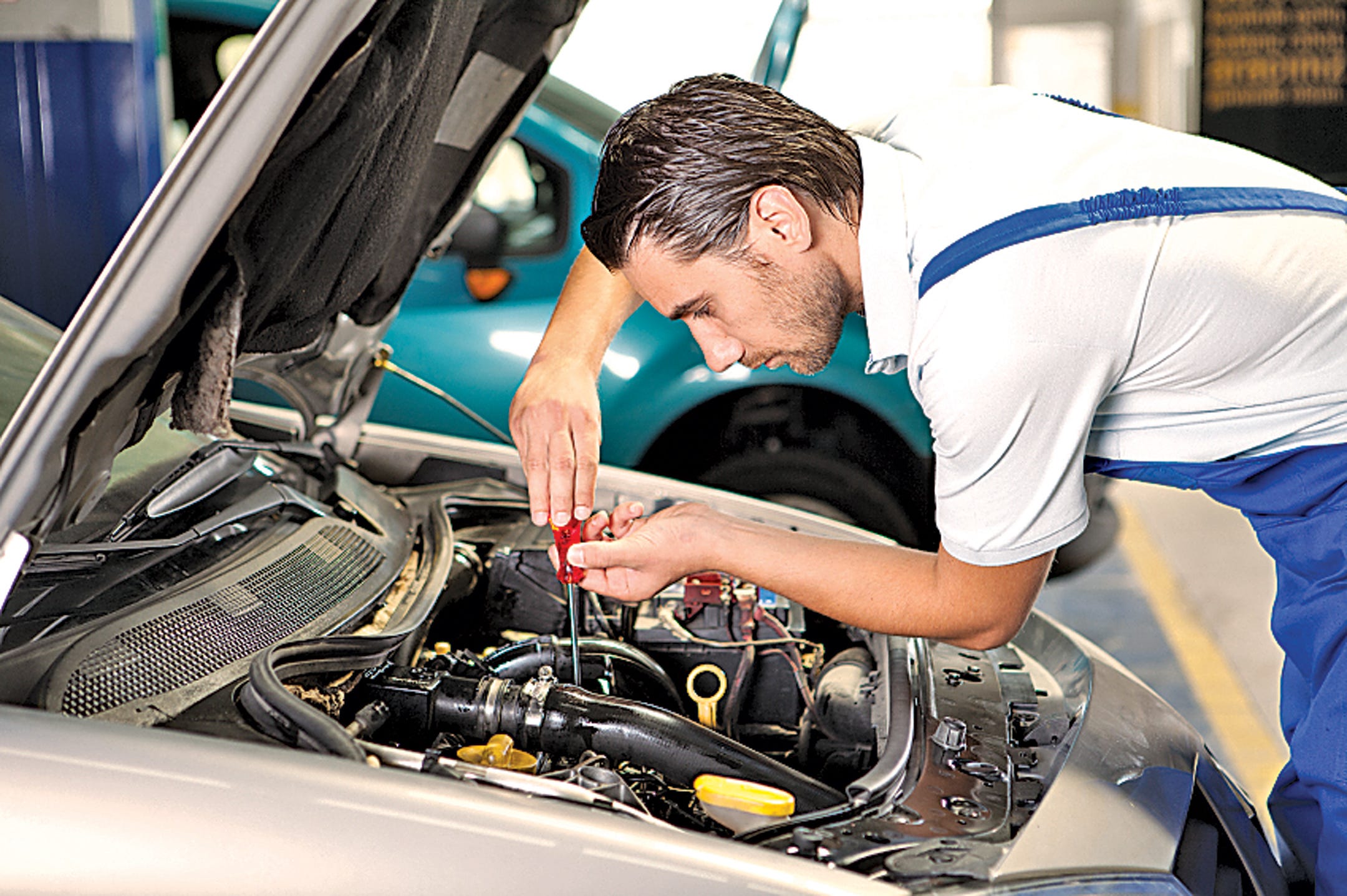
Owning a car comes with a sense of freedom, convenience, and responsibility. While vehicles provide mobility and comfort, they also require proper maintenance to ensure they remain safe and reliable on the road. Regular carservice plays a critical role in preventing unexpected breakdowns, avoiding costly repairs, and most importantly, protecting drivers and passengers. Understanding the importance of car service and its impact on vehicle safety and reliability is essential for every car owner.
Understanding Car Service
Car service, also known as carservice in some regions, involves a comprehensive inspection, maintenance, and repair of a vehicle. During a carservice, mechanics check various components such as the engine, brakes, tires, suspension, and electrical systems to ensure they are functioning correctly. Depending on the type of service—whether it’s a basic check-up or a full-service package—different aspects of the car may be inspected, lubricated, or replaced.
Regular car service is not just about fixing problems when they occur; it is a proactive approach that helps prevent future issues. By identifying minor faults before they escalate, car owners can save time, money, and most importantly, avoid dangerous situations on the road.
Improving Vehicle Safety Through Regular Maintenance
Safety is the primary concern for any driver. A well-maintained vehicle is less likely to experience sudden mechanical failures that could lead to accidents. Key safety features of a car, such as brakes, tires, and steering systems, require regular attention.
Brakes are one of the most critical components for safety. During a car service, mechanics check brake pads, discs, and fluid levels to ensure optimal performance. Worn-out brakes can significantly increase stopping distances and put drivers and passengers at risk. Similarly, tires are inspected for tread depth, air pressure, and alignment. Properly maintained tires improve traction, handling, and overall stability, reducing the likelihood of skidding or losing control.
Other safety-related components, such as suspension systems, lights, and windshield wipers, are also checked during carservice. A functioning suspension system ensures that the car maintains proper contact with the road, preventing uneven wear and improving control. Lights and indicators are vital for visibility, while wipers and washer systems ensure clear vision during adverse weather conditions.
Enhancing Reliability with Routine Car Service
Reliability is another critical factor for car owners. A vehicle that breaks down frequently or requires constant repairs can cause inconvenience, financial strain, and safety concerns. Routine car service enhances reliability by ensuring that all mechanical and electrical systems function smoothly.
The engine, being the heart of a car, requires regular checks and maintenance. During a car service, oil levels, filters, belts, and hoses are inspected and replaced if necessary. Clean oil and properly functioning belts prevent engine overheating and wear, ensuring consistent performance. Similarly, the transmission system is checked to avoid gear slippage or sudden failures that could leave drivers stranded.
Battery health is also assessed during carservice. A weak or failing battery can lead to unexpected breakdowns, especially in cold weather. Regular inspection and maintenance of the battery, alternator, and electrical connections ensure that the car starts reliably and all electronic systems operate efficiently.
Preventing Costly Repairs
One of the significant benefits of regular car service is the prevention of expensive repairs. Cars that are not serviced regularly often face severe mechanical failures that require costly replacements. By identifying issues early, carservice helps avoid situations where minor problems escalate into major breakdowns.
For instance, neglecting an oil change can result in engine damage due to increased friction and overheating. Similarly, worn brake pads can damage brake discs, leading to expensive replacements. Timely maintenance not only keeps the car safe and reliable but also reduces long-term expenses, making car service a cost-effective investment.
The Role of Professional Mechanics in Car Service
Professional mechanics play a vital role in ensuring the effectiveness of car service. Their expertise allows them to diagnose issues accurately, perform necessary repairs, and recommend preventive measures. Advanced diagnostic tools used in modern carservice centers enable mechanics to detect hidden problems that may not be visible during a simple inspection.
Regular visits to a professional car service center provide peace of mind to car owners. Knowing that a trained expert has thoroughly checked and maintained the vehicle allows drivers to focus on the road without worrying about unexpected failures.
Importance of Scheduling Regular Car Service
Consistency is key when it comes to car maintenance. Car manufacturers typically provide a recommended service schedule based on mileage or time intervals. Following this schedule ensures that the vehicle receives timely attention, preventing neglect that could compromise safety and reliability.
Carservice is not limited to major repairs or full-service appointments. Simple tasks like checking tire pressure, topping up fluids, and inspecting belts can be done more frequently to maintain peak performance. Scheduling regular service visits allows car owners to address issues before they become critical, keeping the vehicle in optimal condition year-round.
Environmental Benefits of Proper Car Maintenance
While safety and reliability are the primary reasons for regular car service, proper maintenance also benefits the environment. Well-maintained engines operate more efficiently, producing fewer emissions and consuming less fuel. Clean filters, efficient brakes, and properly inflated tires all contribute to better fuel economy and reduced environmental impact.
By investing in carservice, drivers not only protect themselves and their passengers but also contribute to a greener and cleaner environment. Regular maintenance ensures that vehicles operate within their designed parameters, reducing unnecessary pollution and resource wastage.
Building Long-Term Trust in Your Vehicle
A car is a significant investment, and maintaining it through regular car service ensures longevity. Reliable vehicles reduce stress, increase confidence on the road, and build trust between the driver and their car. Knowing that the car has been properly maintained allows drivers to focus on their journey rather than worrying about potential breakdowns.
Over time, a well-serviced vehicle retains higher resale value. Potential buyers are more likely to trust a car with a documented history of regular maintenance, demonstrating that the owner prioritized safety and reliability.
Conclusion
Car service plays an indispensable role in ensuring the safety, reliability, and longevity of a vehicle. From preventing mechanical failures to enhancing performance and fuel efficiency, regular maintenance is a proactive approach that benefits both the car and its owner. By prioritizing carservice, drivers can enjoy peace of mind, reduce unexpected expenses, and contribute to safer roads for everyone. Regular service is more than just a routine task; it is an investment in safety, reliability, and the overall driving experience.
Car owners who embrace the importance of car service are better equipped to handle the challenges of daily driving, protect their investment, and maintain a vehicle that performs consistently under all conditions. In essence, carservice is not just maintenance; it is a commitment to safety, reliability, and responsible vehicle ownership.
