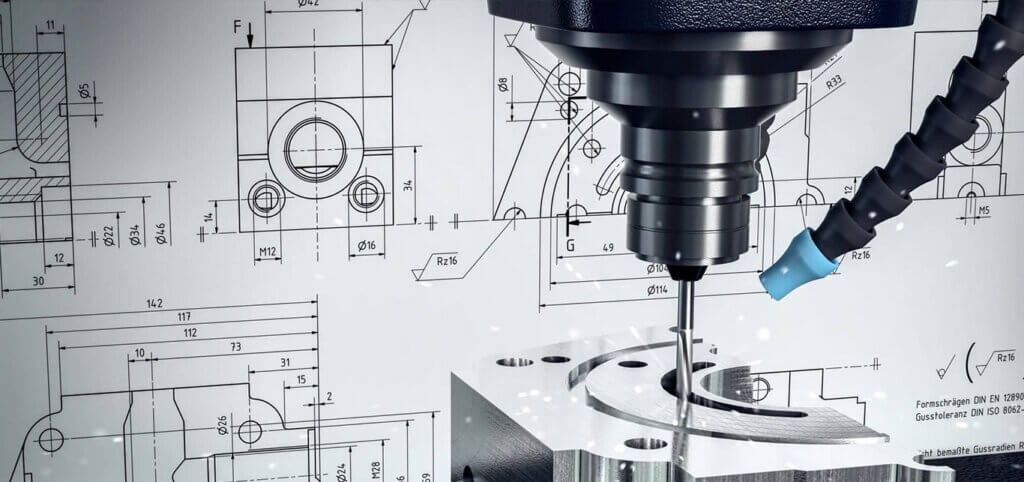
CNC precision machining has become an essential part of modern manufacturing, offering unmatched accuracy and efficiency in producing complex parts. Despite the advanced technology, errors in CNC precision machining can still occur, leading to production delays, increased costs, and compromised product quality. Understanding how to troubleshoot these errors is crucial for maintaining operational efficiency and ensuring high-quality outputs.
Understanding Common CNC Precision Machining Errors
Before attempting to fix CNC precision machining issues, it is important to understand the common types of errors that can arise. These typically fall into three categories: mechanical, programming, and material-related errors. Mechanical errors involve the physical components of the machine, such as worn tools, misaligned axes, or loose parts. Programming errors occur when the instructions provided to the machine are incorrect, leading to deviations in the final product. Material-related errors arise from issues with the workpiece itself, such as inconsistencies in hardness, thickness, or surface quality. Identifying the category of error is the first step in troubleshooting CNC precision machining problems.
Diagnosing Mechanical Issues
Mechanical problems are often the most noticeable and can significantly affect the performance of CNC precision machining. Common mechanical issues include tool wear, spindle problems, and misalignment of machine components. To diagnose these problems, start by inspecting the tools for wear and tear. Cutting tools that are dull or damaged can lead to inaccurate cuts and poor surface finishes. Regularly checking the spindle for vibrations or unusual noises is also essential, as a misaligned or worn spindle can cause dimensional inaccuracies. Additionally, ensure that all machine components are securely fastened and properly aligned to prevent errors during operation.
Checking Programming Errors
Programming errors are another frequent source of issues in CNC precision machining. These errors usually stem from incorrect coding, improper tool paths, or wrong machining parameters. To troubleshoot programming issues, review the CNC program line by line and verify that the tool paths match the intended design. Check for incorrect feed rates, spindle speeds, and cutting depths, as these parameters directly affect machining precision. Utilizing simulation software can help identify potential problems before actual machining, saving time and reducing material waste. Ensuring that operators are well-trained in programming and following standardized procedures can also prevent recurring errors.
Material-Related Troubleshooting
The properties of the workpiece material can significantly impact the outcomes of CNC precision machining. Variations in material hardness, density, or surface finish can lead to inconsistent results. When troubleshooting material-related errors, begin by inspecting the workpiece for any visible defects, such as cracks, warping, or uneven surfaces. Verify that the material meets the required specifications for the machining process. Adjusting cutting parameters, such as speed and feed, to suit the material can also help minimize errors. In some cases, selecting a different material or batch may be necessary to achieve the desired precision.
Monitoring and Calibrating the Machine
Regular monitoring and calibration of CNC machines are crucial for preventing and troubleshooting errors. CNC precision machining relies on precise movements and accurate measurements, making calibration essential for maintaining quality. Perform routine checks on machine axes, tool holders, and measurement systems to ensure they meet manufacturer specifications. Implementing a preventive maintenance schedule can identify potential issues before they affect production. Monitoring systems, such as vibration sensors and temperature gauges, can provide real-time feedback and help detect anomalies early, allowing for timely intervention.
Utilizing Diagnostic Tools
Modern CNC machines come equipped with diagnostic tools that can simplify troubleshooting. These tools provide valuable data on machine performance, tool conditions, and operational parameters. For example, CNC controllers often have built-in error logs that record faults and alarms, making it easier to identify the root cause of an issue. Advanced software can analyze this data to predict potential failures and recommend corrective actions. Leveraging these diagnostic tools not only speeds up troubleshooting but also helps optimize CNC precision machining processes for better efficiency and quality.
Implementing Standard Operating Procedures
Establishing and adhering to standard operating procedures (SOPs) is vital for minimizing errors in CNC precision machining. SOPs provide a structured approach to machine setup, operation, and maintenance, ensuring consistency and reducing human error. Documenting common troubleshooting steps for mechanical, programming, and material-related issues can help operators address problems quickly. Training staff to follow these procedures and encouraging a culture of proactive problem-solving can significantly improve the reliability of CNC precision machining operations.
Continuous Improvement and Feedback
Troubleshooting CNC precision machining errors is not just about fixing immediate problems but also about preventing future issues. Implementing a continuous improvement process can help identify recurring errors and develop strategies to eliminate them. Collect feedback from operators, monitor machine performance trends, and analyze error patterns to pinpoint areas for improvement. Regularly updating training programs and SOPs based on these insights ensures that CNC precision machining processes evolve to meet higher standards of accuracy and efficiency.
Conclusion
CNC precision machining is a powerful tool for modern manufacturing, but errors can disrupt production and compromise quality. Understanding common error types, from mechanical to programming and material-related issues, is the first step in effective troubleshooting. Regular machine calibration, utilization of diagnostic tools, adherence to standard operating procedures, and continuous improvement are all essential strategies for addressing and preventing errors. By systematically identifying and resolving issues, manufacturers can maximize the efficiency, reliability, and precision of their CNC precision machining operations, ensuring that products meet exacting standards and customer expectations.