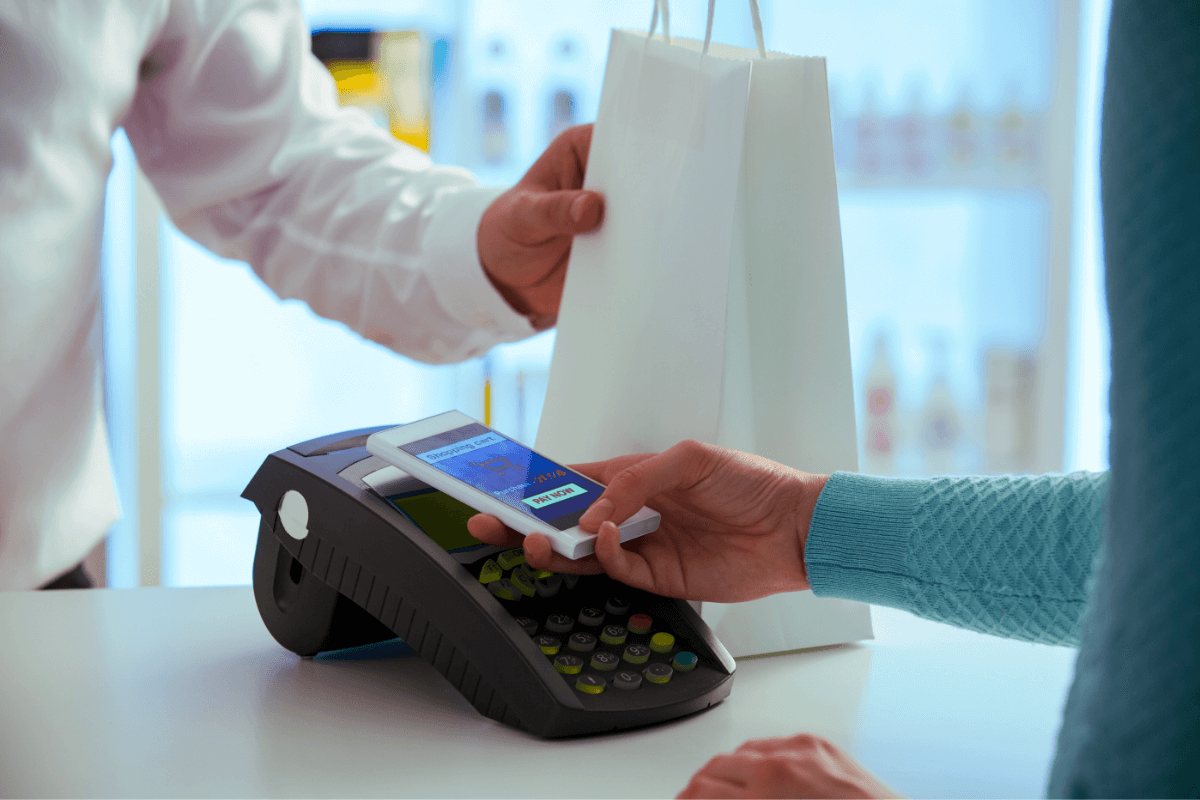
In today’s fast-paced digital economy, payment methods have evolved to cater to convenience, speed, and security. Among the various payment solutions, direct carrier billing (DCB) has emerged as a popular choice for consumers and businesses alike. Direct carrier billing allows users to make purchases online or in-app and charge the cost directly to their mobile phone bill, eliminating the need for credit cards, bank transfers, or digital wallets. This method is increasingly being adopted in industries such as gaming, digital content, and online subscriptions due to its simplicity and efficiency.
How Direct Carrier Billing Works
Direct carrier billing is a straightforward process. When a user wants to purchase digital goods or services, they select the option to pay via their mobile carrier. The carrier then authenticates the user and adds the payment to their monthly phone bill or deducts it from their prepaid balance. The merchant receives payment through a partnership with the carrier, which streamlines the transaction process. This eliminates the need for entering card details or creating separate payment accounts, making transactions seamless and faster.
One of the reasons this payment method has gained traction is because of its accessibility. Even users without a bank account or credit card can make purchases, making it an inclusive solution for digital transactions. In countries where bank penetration is low, direct carrier billing provides a secure and reliable alternative for online payments, allowing more people to participate in the digital economy.
Convenience for Consumers
One of the biggest advantages of direct carrier billing is its convenience. Users can make purchases instantly without needing to input card details or navigate multiple payment gateways. This is particularly beneficial for micropayments, such as buying apps, in-game items, music downloads, or subscriptions. The Korean term 소액결제현금화 reflects this trend, as it relates to converting small payments made via mobile carriers into cash or usable credit, demonstrating the growing popularity of this type of transaction in regions like South Korea.
The simplicity of direct carrier billing encourages impulse purchases and increases user engagement. For example, a gamer who wants to buy extra credits or an app user who wants immediate access to premium features can do so without leaving the app or website. This ease of use can significantly improve customer satisfaction and retention, benefiting both consumers and businesses.
Security Benefits
Security is a primary concern for online transactions. Direct carrier billing reduces the exposure of sensitive financial information because users do not need to share credit card numbers or bank details. The mobile carrier acts as a trusted intermediary, handling payment processing and authentication. This reduces the risk of fraud and unauthorized transactions.
Additionally, carriers implement various security measures such as verification codes and two-factor authentication to ensure that purchases are authorized by the account holder. For businesses, this means fewer chargebacks and reduced risks associated with traditional online payment methods, providing a safer and more reliable environment for both merchants and consumers.
Accessibility Across Devices
Another advantage of direct carrier billing is its compatibility with a wide range of devices. From smartphones and tablets to smart TVs and connected gaming consoles, users can make purchases easily across multiple platforms. This is particularly beneficial for digital content providers and app developers who want to offer their services to a broad audience without worrying about device limitations.
For consumers, this means that whether they are at home or on the go, they can enjoy digital services instantly. The ability to make small transactions through their mobile account adds to the appeal, especially when combined with services that support 소액결제현금화. This feature allows users to manage their small payments efficiently, making it easier to participate in microtransactions.
Increased Revenue for Businesses
For businesses, direct carrier billing offers a way to capture more revenue by tapping into users who may not have access to traditional payment methods. By enabling micropayments and instant purchases, companies can increase conversion rates and generate incremental revenue. This is particularly relevant for industries like mobile gaming, digital media, and subscription-based services where small, frequent transactions are common.
The integration of carrier billing with 소액결제현금화 services also opens up additional monetization opportunities. Consumers can convert small payments into usable cash or credits, which can then be spent on digital goods, further driving engagement and repeat purchases. By providing an easy, secure, and convenient payment method, businesses can expand their reach and maximize their earnings.
Reduced Transaction Costs
Direct carrier billing can also help reduce transaction costs for both merchants and consumers. Traditional payment methods such as credit cards often involve processing fees, currency conversion charges, and other hidden costs. By partnering with mobile carriers, merchants can streamline the payment process and reduce overhead expenses associated with payment gateways.
For consumers, this method eliminates the need to manage multiple payment accounts or worry about bank fees. The billing is consolidated into a single mobile phone statement, making it easier to track expenses and manage payments. This simplicity, combined with the ability to handle micropayments like 소액결제현금화, makes direct carrier billing an attractive choice for cost-conscious users.
Encouraging Global Expansion
Direct carrier billing is a gateway for businesses to expand into international markets. Many countries have low credit card penetration, and consumers may be hesitant to use unfamiliar payment methods online. By offering direct carrier billing, companies can cater to a broader audience and gain access to markets that were previously difficult to penetrate.
The flexibility and universal accessibility of this payment method make it suitable for digital content providers, mobile app developers, and online service platforms looking to reach global customers. The ability to support local mobile carriers and integrate features such as 소액결제현금화 ensures that transactions are relevant and convenient for diverse markets.
Future of Direct Carrier Billing
As mobile technology continues to advance, direct carrier billing is likely to play an increasingly significant role in the digital economy. Innovations in mobile payment platforms, digital wallets, and subscription services are expected to further enhance the convenience, security, and accessibility of this payment method.
Integration with emerging technologies such as 5G, IoT devices, and connected home systems could make carrier billing a central component of everyday digital transactions. Additionally, services like 소액결제현금화 demonstrate how the market is adapting to consumer needs, providing options for converting mobile payments into usable cash and increasing the versatility of carrier billing.
Conclusion
Direct carrier billing offers numerous advantages, including convenience, security, accessibility, increased revenue for businesses, reduced transaction costs, and opportunities for global expansion. By allowing users to make instant purchases through their mobile carrier, it removes barriers associated with traditional payment methods and encourages engagement in digital transactions. Features like 소액결제현금화 enhance its appeal, particularly for micropayments, demonstrating the evolving nature of mobile payments. As the digital economy continues to grow, direct carrier billing is set to become an essential tool for both consumers and businesses, providing a seamless, secure, and efficient payment experience across the globe.
