Volatile Organic Compounds (VOCs) are a major environmental concern, particularly in industrial settings. These compounds, released during manufacturing, painting, chemical processing, and other industrial operations, contribute to air pollution and pose health risks. For industries looking to manage emissions effectively, investing in the right equipment is essential. Understanding what to consider when making a VOC waste gas equipment buy can save money, improve efficiency, and ensure regulatory compliance.
Understanding VOC Waste Gas Equipment
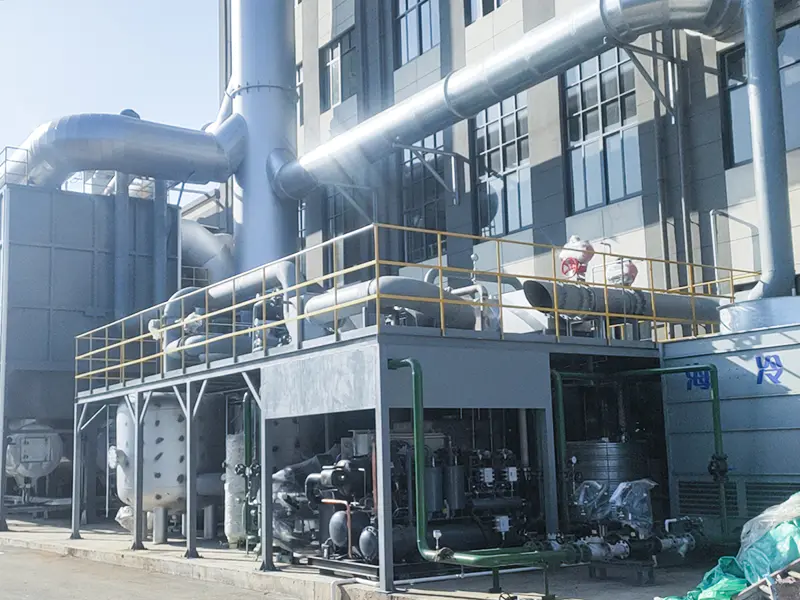
VOC waste gas equipment is designed to capture, treat, and neutralize harmful organic compounds before they are released into the atmosphere. This equipment includes regenerative thermal oxidizers, adsorption systems, biofilters, catalytic oxidizers, and carbon adsorption units. Each system has distinct benefits and operational requirements, so choosing the right one depends on the type of VOCs, volume of gas emissions, and operational constraints.
Regenerative thermal oxidizers are popular in industries with high-volume VOC emissions because they can destroy up to 99% of pollutants while recovering heat to save energy. Adsorption systems, particularly activated carbon units, are effective for low-concentration VOCs, while biofilters are ideal for industries looking for environmentally friendly solutions using natural microorganisms to break down pollutants.
Key Factors to Consider in VOC Waste Gas Equipment Buy
When considering a VOC waste gas equipment buy, there are several factors industries must evaluate.
Compliance with Environmental Regulations
The primary reason companies invest in VOC treatment systems is to comply with environmental regulations. Each country or region has strict emission standards for VOCs, and failure to meet them can result in heavy fines and operational shutdowns. Before purchasing equipment, it is essential to understand local and international standards and ensure the system can handle the expected VOC load efficiently.
Type and Concentration of VOCs
Different VOC treatment systems are suitable for varying types and concentrations of pollutants. High-concentration VOC emissions might require thermal oxidation equipment, whereas low-concentration emissions may be efficiently managed with adsorption systems. A detailed analysis of the waste gas composition and concentration levels is crucial for making an informed VOC waste gas equipment buy.
Energy Efficiency
Industrial operations are increasingly focused on energy efficiency. VOC waste gas treatment can be energy-intensive, particularly thermal oxidizers. Equipment that incorporates heat recovery or uses low-energy adsorption methods can significantly reduce operational costs while maintaining performance. Evaluating energy consumption and potential savings is a smart step in any VOC waste gas equipment buy decision.
Maintenance and Operational Requirements
The ease of maintenance and operational reliability are critical. Equipment that requires frequent downtime for servicing can disrupt production and increase costs. When investing in a VOC waste gas equipment buy, consider systems that offer long operational life, easy access for maintenance, and availability of replacement parts. Operator training requirements should also be factored in to ensure smooth integration into existing processes.
Scalability and Flexibility
Industries evolve, production scales change, and emissions patterns can fluctuate. A VOC waste gas equipment buy should consider scalability. Choosing modular or expandable systems allows businesses to adapt to changes without significant additional investment. Flexibility in handling different VOC types and varying emission rates is also an advantage for long-term use.
Cost Considerations
While initial purchase price is important, total cost of ownership (TCO) must be considered. TCO includes installation, energy consumption, maintenance, and potential downtime costs. Investing in high-quality, energy-efficient equipment may have higher upfront costs but can result in lower long-term expenses. A careful evaluation of cost versus benefit is critical in a VOC waste gas equipment buy decision.
Supplier Reputation and Support
Not all suppliers provide the same level of support or product reliability. Working with reputable suppliers ensures access to technical support, warranty services, and guidance in equipment selection. Checking customer reviews, industry certifications, and past performance can help identify suppliers that offer dependable solutions for VOC waste gas equipment buy.
Emerging Technologies in VOC Treatment
The VOC treatment industry is evolving with technologies that focus on efficiency, sustainability, and lower operational costs. Advanced adsorption materials, hybrid oxidation-adsorption systems, and biofiltration innovations are becoming more popular. These technologies not only improve VOC removal efficiency but also reduce energy consumption and environmental impact. Industries looking to invest in VOC waste gas equipment buy should explore these emerging solutions to future-proof their operations.
Environmental and Business Benefits of Investing in VOC Equipment
Beyond regulatory compliance, investing in VOC waste gas treatment systems has tangible benefits for businesses. Cleaner emissions contribute to better air quality, reducing health risks for workers and surrounding communities. Efficient treatment systems can also reduce odor issues, minimize environmental liability, and enhance corporate social responsibility credentials. Additionally, energy-efficient systems contribute to lower operational costs, which can improve overall profitability.
Making the Right VOC Waste Gas Equipment Buy
The process of purchasing VOC treatment equipment should be strategic. Start with a thorough assessment of emissions, including VOC types, concentrations, and volume. Evaluate various technologies for their suitability, energy efficiency, and operational requirements. Consider long-term costs, supplier reputation, and potential scalability needs. Consulting with experts and reviewing case studies of similar industrial applications can further guide the decision-making process.
Conclusion
A VOC waste gas equipment buy is a significant investment for any industry, but making an informed decision ensures regulatory compliance, operational efficiency, and environmental responsibility. By carefully evaluating equipment types, energy efficiency, maintenance requirements, scalability, and supplier reliability, industries can choose systems that meet current needs while accommodating future growth. In a world where environmental regulations are tightening and sustainable practices are prioritized, investing wisely in VOC waste gas equipment is not just a compliance measure—it’s a strategic business decision.
Making the right VOC waste gas equipment buy ultimately benefits the environment, supports industrial efficiency, and reinforces a company’s commitment to responsible operations, ensuring a cleaner and safer future for all.