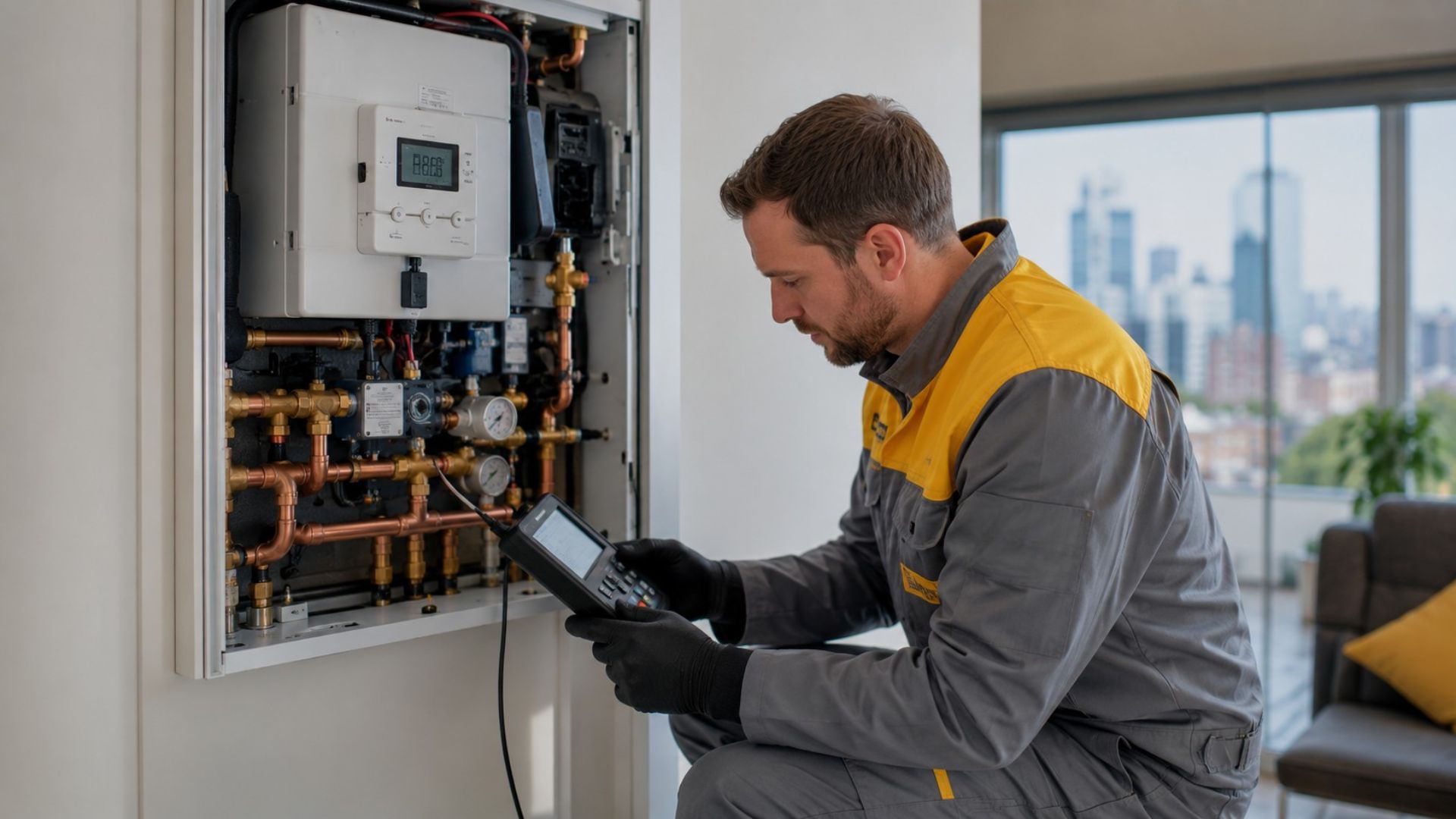
Heat Interface Units (HIUs) play an important role in modern residential heating systems, particularly in properties connected to communal or district heating networks. These units transfer heat from a central system into individual properties, providing heating and hot water efficiently. However, like any mechanical equipment, HIUs require regular attention to remain reliable. Without appropriate maintenance, minor issues can gradually develop into costly faults and unexpected breakdowns.
Regular servicing can help identify potential problems before they become serious, reducing the likelihood of sudden heating or hot water failures. For landlords, property managers, homeowners, and facilities teams, planned maintenance can also make it easier to control costs and minimise disruption. Understanding how servicing supports reliability can therefore help property owners take a more proactive approach to maintenance and avoid unnecessary HIU repair London requirements.
Understanding the Importance of HIU Maintenance
An HIU contains several components that must work together correctly. These can include heat exchangers, valves, filters, pumps, sensors, controls, and other hydraulic components. Over time, components can become dirty, worn, restricted, or incorrectly adjusted.
A routine service provides an opportunity to inspect these components and assess the general condition of the unit. Rather than waiting for a noticeable failure, maintenance allows potential weaknesses to be identified while they are still manageable.
For example, a partially blocked filter may initially cause only a small reduction in performance. If the problem is ignored, it can contribute to poor circulation, reduced heating output, or increased strain on other components. Regular servicing can detect such conditions and allow corrective action to be taken before a larger fault develops.
Identifying Small Problems Before They Become Major Faults
One of the main advantages of scheduled servicing is early fault detection. Some HIU problems develop gradually and may not immediately be obvious to residents.
A technician may identify signs such as unusual pressure readings, temperature inconsistencies, restricted flow, leaking connections, or deteriorating components during a service visit. These warning signs can provide valuable information about the condition of the system.
Checking Components and Connections
During maintenance, important components and connections can be inspected for signs of wear or damage. Loose connections, corrosion, small leaks, and deteriorating seals can become more serious when left unattended.
Addressing these issues early may prevent further damage and reduce the possibility of an emergency callout. It also gives property managers an opportunity to plan repairs at a convenient time instead of dealing with an unexpected failure.
Monitoring Performance
Changes in HIU performance can also provide useful clues. If an apartment takes longer than usual to heat or hot water temperature becomes inconsistent, there may be an underlying problem.
Routine servicing can establish whether the system is operating within appropriate parameters. Performance checks can also help identify gradual deterioration that might otherwise remain unnoticed.
Reducing the Risk of Unexpected Heating Failures
Unexpected heating failures can be particularly disruptive in residential buildings. A faulty HIU may affect heating, hot water, or both, creating inconvenience for residents and additional pressure for property management teams.
Regular servicing cannot guarantee that an HIU will never fail, but it can reduce avoidable risks by keeping components inspected and maintained.
A planned maintenance schedule also means that potential repair requirements can be identified earlier. Instead of discovering a failed component during an evening or weekend emergency, property managers may be able to arrange work during normal maintenance periods.
This proactive approach can make heating system management more predictable.
Keeping Filters and Heat Exchangers in Good Condition
Filters and heat exchangers are particularly important parts of an HIU. Restrictions, deposits, or contamination can affect water flow and heat transfer efficiency.
Why Filters Matter
A filter helps prevent unwanted particles from travelling through the system. Over time, accumulated debris can restrict flow. If the restriction becomes significant, the HIU may struggle to deliver the expected heating or hot water performance.
During regular servicing, filters can be checked and cleaned or replaced when appropriate. This relatively straightforward maintenance task can help protect other components and support consistent operation.
Maintaining Heat Transfer Efficiency
Heat exchangers are responsible for transferring thermal energy between circuits. Their performance can be affected by scale, deposits, contamination, or other system conditions.
Regular inspection can help identify signs that heat transfer performance is changing. Maintaining these components appropriately can support efficient operation and potentially reduce the need for more extensive intervention later.
Supporting Efficient System Operation
An HIU that is not operating correctly may consume more energy or provide less effective heating and hot water. Although energy performance depends on many factors, maintaining the equipment can help ensure that components are working as intended.
Servicing may include checking controls, temperatures, pressures, valves, and other operating conditions. Where adjustments are necessary, they can help restore appropriate system performance.
For property owners, efficient operation can be important not only from a comfort perspective but also from a wider building-management standpoint. Well-maintained equipment is generally easier to monitor and manage than equipment that is allowed to deteriorate unnoticed.
Extending the Useful Life of HIU Components
Regular maintenance can also contribute to the longevity of an HIU. Mechanical and hydraulic components naturally experience wear, but poor maintenance can accelerate deterioration.
For instance, a component working under abnormal conditions for an extended period may experience unnecessary stress. Identifying the underlying issue early can help prevent that condition from continuing.
Replacing Worn Parts at the Right Time
Not every worn component needs to be replaced immediately, but ignoring obvious deterioration can increase the risk of failure. A professional service can provide an opportunity to assess component condition and determine whether replacement or monitoring is appropriate.
Planned replacement can be easier to manage than emergency repair because the work can be scheduled around resident requirements and building operations.
Making Property Maintenance More Predictable
Property managers often need to coordinate maintenance across multiple apartments or buildings. Unexpected equipment failures can disrupt planned schedules and create additional administrative work.
A structured servicing programme provides a more predictable maintenance framework. Service records can be used to track previous inspections, identified issues, component replacements, and future maintenance requirements.
This information can help teams understand which units may require closer attention and where recurring issues may exist.
Reducing the Need for Emergency HIU Repair London
Emergency repair situations can be stressful for both residents and property managers. A sudden loss of heating or hot water can require rapid diagnosis and intervention.
Regular servicing is one way to reduce the likelihood of avoidable emergency problems. By identifying developing faults, maintaining important components, and monitoring system performance, servicing can address many issues before they become disruptive.
However, professional maintenance should not be viewed as a substitute for repair when a genuine fault exists. If an HIU is already showing signs of failure, prompt investigation is important. Delaying an obvious problem can allow a relatively minor issue to develop into a more complex repair.
Creating a Practical Servicing Schedule
The appropriate servicing frequency can depend on the HIU model, installation, building requirements, manufacturer guidance, and system conditions. Property owners should therefore develop a maintenance plan that reflects the equipment and its operating environment.
A practical schedule may include visual inspections, component checks, cleaning where appropriate, performance assessment, and documentation of findings.
Keeping Detailed Service Records
Maintaining accurate records can make future maintenance more effective. Information about previous faults, replaced components, service dates, and observations can help technicians understand the history of an individual HIU.
For buildings with multiple units, consistent records can also help identify patterns and prioritise maintenance activities.
A Proactive Approach to HIU Reliability
Regular servicing is fundamentally about prevention. Instead of waiting for heating or hot water problems to become serious, property owners can use scheduled maintenance to monitor equipment condition and respond to developing issues.
Professional attention can help protect important components, maintain performance, support efficiency, and reduce the likelihood of unexpected breakdowns. While no maintenance strategy can eliminate every possible fault, proactive servicing can make HIU management more controlled and predictable.
For property managers and owners, investing in routine maintenance can therefore be an important part of reducing unexpected HIU repair London requirements. By combining regular inspections, timely component maintenance, accurate service records, and prompt attention to warning signs, buildings can maintain more dependable heating and hot water services for residents.