In the rapidly evolving world of electronics, the quest for higher efficiency, improved performance, and reduced energy loss is constant. One of the most significant advancements in this field is the development and adoption of the high-precision air gap amorphous core for inductors. This technology is not just a minor improvement—it is reshaping the design, functionality, and effectiveness of modern electronic devices, from power supplies to telecommunications equipment. Understanding why these cores are transforming electronics requires a closer look at their structure, benefits, and applications.
Understanding High-Precision Air Gap Amorphous Cores
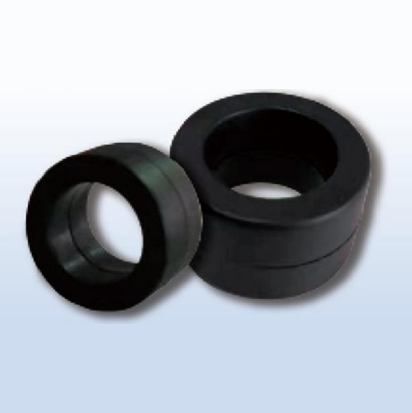
At its core, an inductor stores energy in the form of a magnetic field, which depends heavily on the material and geometry of its core. Traditional inductors often use ferrite or laminated steel cores, which have certain limitations in terms of energy loss, saturation, and precision. The high-precision air gap amorphous core for inductors introduces a refined approach by combining the unique properties of amorphous metal with carefully engineered air gaps.
Amorphous metals, also known as metallic glasses, have a disordered atomic structure compared to conventional crystalline metals. This unique structure minimizes eddy current losses, reduces magnetic hysteresis, and significantly enhances energy efficiency. When combined with a precisely calculated air gap, these cores can maintain a stable inductance over a wide range of operating conditions, even under high current loads.
Key Advantages of High-Precision Air Gap Amorphous Cores
The benefits of the high-precision air gap amorphous core for inductors go beyond mere efficiency. Here are some of the most compelling advantages driving their adoption in advanced electronics:
- Reduced Energy Loss
Amorphous cores inherently have lower core losses compared to traditional materials. The addition of a high-precision air gap further reduces magnetic saturation, allowing the inductor to operate efficiently without excessive heat generation. This translates into lower energy consumption and improved thermal management in electronic devices. - High Saturation Flux Density
The carefully designed air gap enables the core to handle higher magnetic flux without reaching saturation. This property is essential for power electronics where inductors often face fluctuating currents. By maintaining linear performance under varying loads, these cores enhance the reliability and longevity of devices. - Compact and Lightweight Design
Thanks to their superior magnetic properties, inductors with high-precision air gap amorphous cores can achieve the desired inductance in a smaller footprint. This compactness is crucial for modern electronics where space is at a premium, such as in smartphones, electric vehicles, and high-density power converters. - Improved Frequency Response
Amorphous cores provide excellent performance at high frequencies. This makes them ideal for applications like switch-mode power supplies, high-frequency transformers, and RF circuits, where traditional cores may suffer from losses or poor signal integrity. - Precision and Stability
The air gap in these cores is engineered with extreme precision, ensuring consistent inductance even under temperature variations or mechanical stress. This stability is particularly important in applications requiring tight control over current and voltage, such as precision sensors and medical devices.
Applications Transforming Electronics
The influence of the high-precision air gap amorphous core for inductors is evident across multiple sectors of electronics:
- Power Electronics: Switch-mode power supplies, DC-DC converters, and inverters benefit from reduced losses and smaller size, resulting in more efficient power delivery and lower operational costs.
- Telecommunications: High-frequency signal processing and RF communication devices gain from enhanced signal integrity and minimal energy dissipation.
- Electric Vehicles: Lightweight, efficient inductors contribute to longer battery life, reduced thermal strain, and overall improved vehicle efficiency.
- Industrial Automation: Precision control systems and robotics rely on stable inductance for accurate motor control and energy-efficient operation.
- Medical Devices: Sensitive diagnostic and therapeutic equipment requires reliable and low-noise inductors to maintain operational accuracy and patient safety.
Driving Innovation in Design
The introduction of high-precision air gap amorphous cores has also spurred innovation in inductor and transformer design. Engineers are no longer constrained by the limitations of conventional cores, allowing for creative solutions in compact electronics and high-performance systems. This has led to a wave of next-generation electronic products that are smaller, more efficient, and more capable than ever before.
Moreover, the precision manufacturing of these cores aligns with modern demands for consistency and quality. By using advanced techniques such as laser cutting, automated winding, and precise lamination, manufacturers ensure that every inductor delivers predictable performance, which is critical in high-stakes industries like aerospace and medical technology.
Future Prospects
As electronics continue to evolve, the demand for energy-efficient and high-performance components is only set to grow. The high-precision air gap amorphous core for inductors is poised to become a standard in many advanced applications. Its ability to reduce losses, handle high currents, and maintain performance under diverse conditions makes it an indispensable component for the electronics of tomorrow.
Research continues into further improving these cores, such as exploring nanocrystalline alloys, optimizing air gap geometries, and integrating smart monitoring for real-time performance assessment. These developments promise to push the boundaries of what inductors can achieve, driving both consumer and industrial electronics toward unprecedented efficiency and reliability.
Conclusion
The high-precision air gap amorphous core for inductors is revolutionizing the electronics industry by providing a solution that is both efficient and versatile. Its combination of low energy loss, high saturation capacity, compact size, and precision performance is unmatched by traditional core materials. As more industries recognize the benefits of this technology, its adoption will continue to expand, shaping the future of electronic design.
In a world where every watt saved and every millimeter of space counts, embracing advanced materials like the high-precision air gap amorphous core is not just an option—it is a necessity. By unlocking new levels of efficiency and performance, these cores are proving that sometimes, the smallest innovations have the biggest impact.